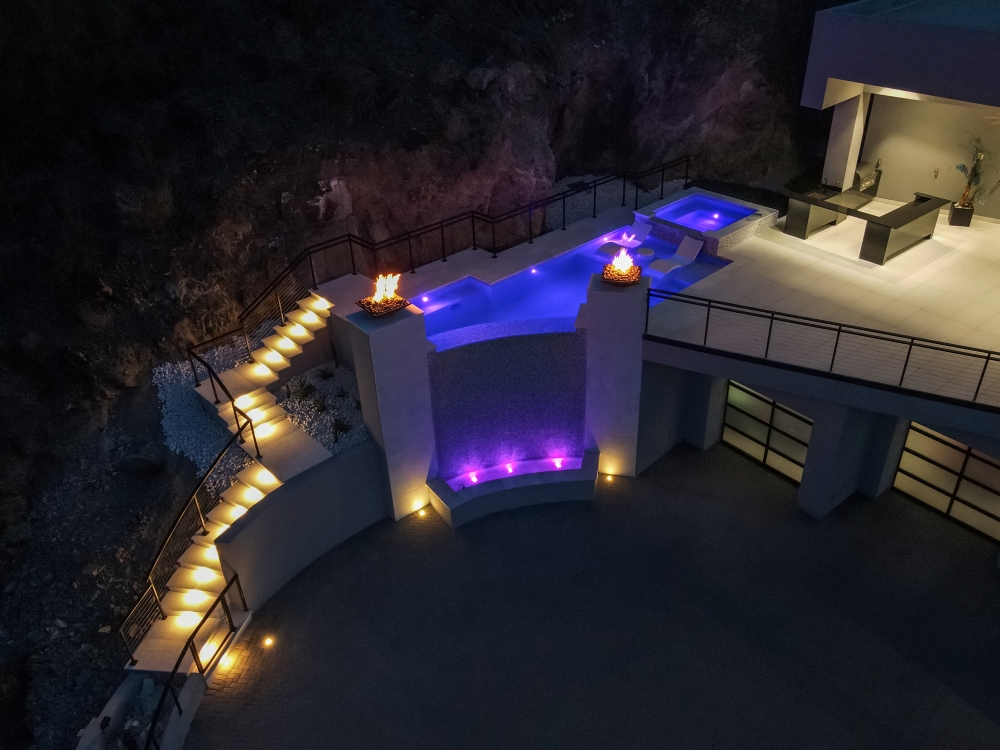
Planning luxury pools in Scottsdale and Paradise Valley requires more than a great design — it demands engineering expertise, permit strategy, and a builder who understands complex terrain. This guide covers everything you need to know about building a high-end pool and outdoor living environment in Arizona's most exclusive communities, from hillside construction to negative edge design to navigating the Hillside Building Committee.
Navigating Paradise Valley's permitting requirements demands specialized knowledge that separates smooth, on-schedule pool construction from projects stalled by rejected plans, failed inspections, and costly redesigns. The Town of Paradise Valley enforces some of Arizona's strictest building codes, with hillside overlay zone properties requiring additional Hillside Building Committee review that adds weeks to approval timelines.
Most pool contractors treat permits as administrative paperwork—submitting bare-minimum documentation that satisfies neither the building department's technical requirements nor the Hillside Committee's aesthetic oversight. The result: revision cycles that delay excavation 4-8 weeks while homeowners watch construction seasons slip away.
At Innovative Custom Pools, our licensed general contractor status allows integrated permit management where structural, electrical, plumbing, and barrier permits receive coordinated engineering review and sequenced inspection scheduling. We prepare comprehensive submittal packages that address Paradise Valley's unique requirements on first submission—preventing the approval delays that plague contractors unfamiliar with local code enforcement priorities.
This guide explains the specific permits required, Paradise Valley Hillside Building Committee procedures, inspection milestone requirements, and the licensed general contractor advantage that streamlines regulatory approvals for luxury pool projects.
Arizona law mandates building permits for all residential pools, regardless of size, location, or property value. Constructing without proper permits creates legal liability, insurance coverage gaps, and property title complications that surface during sale transactions.
Code Compliance & Safety Requirements:
Building permits ensure structural integrity, electrical safety, plumbing code adherence, and barrier requirements protecting children from unsupervised pool access. Arizona requires five-foot minimum barrier heights, self-closing gates with latching mechanisms, and pool alarms for homes where doors provide direct pool access.
Paradise Valley building inspectors verify compliance through staged inspections at critical construction milestones. Pools built without permits lack this oversight, creating liability exposure when structural failures, electrical hazards, or drowning incidents occur.
Insurance Coverage Dependencies:
Homeowner insurance policies often exclude coverage for unpermitted construction. If your pool causes property damage (flooding from plumbing failure, fire from electrical fault, structural damage from soil settlement), insurers deny claims for unpermitted improvements. The financial exposure on $300,000+ pool projects far exceeds permitting costs of $2,000-$8,000.
Resale Transaction Complications:
Title companies conducting pre-sale due diligence identify unpermitted pools through aerial photography analysis, property record searches, and municipal permit database queries. Buyers demand permit verification or negotiate price reductions covering retroactive permitting costs plus penalties. Some transactions fail entirely when sellers cannot obtain after-the-fact permits for non-compliant construction.
Municipal Penalties & Stop-Work Orders:
Paradise Valley Code Enforcement issues stop-work orders and daily fines for unpermitted construction discovered through neighbor complaints, aerial surveys, or routine inspections. Retroactive permitting requires as-built engineering documentation costing $5,000-$15,000 plus permit fees and penalty assessments. Some unpermitted work requires demolition and reconstruction to achieve code compliance.
Paradise Valley pool projects require five mandatory permits covering structural, mechanical, electrical, plumbing, and safety barrier components. Each permit involves separate applications, fee payments, plan review timelines, and inspection requirements.
The primary building permit authorizes excavation, structural pool shell construction, retaining walls, decking, and outdoor structures. Applications require engineered plans showing:
Structural Details: Pool shell thickness (typically 8-10 inches shotcrete), reinforcing steel schedules (rebar size, spacing, coverage), expansion joint locations, and bond beam specifications.
Retaining Wall Engineering: Structural calculations for walls exceeding three feet in height, including lateral earth pressure analysis, footing dimensions, drainage provisions, and seismic loading factors. Paradise Valley hillside properties often require multiple tiered retaining walls with certified engineer stamps.
Grading & Drainage Plans: Existing and proposed contours, drainage flow patterns, catch basin locations, and erosion control measures. The Town requires positive drainage away from all structures with calculations demonstrating adequate capacity for 100-year storm events.
Setback Compliance: Pool placement relative to property lines, easements, and building envelopes. Paradise Valley enforces minimum five-foot rear/side setbacks; hillside overlay zones may require larger buffers based on slope severity.
Building permit fees range $500-$1,500 depending on project valuation. Plan review takes 2-3 weeks for standard applications; hillside properties requiring Hillside Committee review add 3-4 weeks.
Electrical permits cover all pool equipment, underwater lighting, landscape lighting, outdoor kitchen appliances, and automated control systems. Applications require:
Load Calculations: Total amperage requirements for pumps, heaters, lighting, and auxiliary equipment. Most luxury pools require 100-200 amp subpanels dedicated to pool equipment.
GFCI Protection: Ground-fault circuit interrupter requirements for all pool-related circuits per National Electrical Code Article 680. Paradise Valley inspectors strictly enforce GFCI compliance—failure is the #1 electrical inspection rejection cause.
Bonding Diagrams: Equipotential bonding details showing connection of all metallic components (pool shell rebar, equipment, ladders, light fixtures) to prevent electrical shock hazards. Bonding inspection occurs before shotcrete application—missing this inspection requires expensive access excavation.
Lighting Plans: Underwater LED fixture locations, transformer placements, switching arrangements, and control system integration. Hillside properties must address light trespass concerns to satisfy neighboring properties.
Electrical permit fees range $150-$400. Inspections occur at rough-in stage (before deck/equipment pad burial) and final stage (after equipment installation and startup).
Plumbing permits authorize pool fill water connections, backwash drainage, automatic fill systems, water features, and spa plumbing. Required documentation includes:
Hydraulic Calculations: Pump sizing, pipe diameter specifications, head loss calculations, and flow rate requirements for main drains, skimmers, returns, and water features. Under-sized plumbing creates circulation problems; over-sized systems waste energy and increase construction costs.
Backflow Prevention: Devices preventing pool water from contaminating potable water supplies during fill operations. Paradise Valley requires testable double-check valves on all pool fill lines—non-compliance results in automatic inspection failure.
Drainage System Design: Backwash water disposal methods (sewer connection preferred, dry well if approved), overflow provisions, and deck drainage systems preventing water intrusion toward home foundations.
Water Feature Plumbing: Supply lines, control valves, and drainage provisions for spillways, sheer descents, deck jets, and bubblers. Complex water features with multiple zones require detailed plumbing schematics showing valve locations and zone isolation.
Plumbing permit fees range $150-$400. Inspections verify underground plumbing before burial and final connections after equipment installation.
Arizona law requires pool barriers preventing unsupervised child access. Paradise Valley enforces five-foot minimum heights measured from the pool-side grade, with specific gate and latching requirements:
Fence Specifications: Non-climbable construction with no horizontal rails, decorative elements, or equipment placement creating footholds within 45 inches of ground level. Maximum four-inch gap between vertical pickets or bars.
Gate Requirements: Self-closing mechanisms closing gates from any open position. Self-latching releases mounted at least 54 inches above grade (measured from pool side). Dual-latch systems for gates serving as primary property access.
Alternative Barriers: Homes where exterior walls serve as barriers require door alarms on all pool-access doors or motorized safety covers meeting ASTM standards. Alarm systems must sound continuously for 30+ seconds when doors open.
Hot Tub & Spa Exceptions: Spas with safety covers meeting ASTM F1346 standards may substitute approved covers for fencing if covers support 485 pounds and require 15+ pounds of opening force.
Barrier permits cost $100-$300. Inspection occurs after fence/gate installation and before pool water fill authorization. This is typically the final inspection before homeowner occupancy approval.
Properties in Paradise Valley's hillside overlay zones require separate grading permits when pool construction disturbs natural slopes, alters drainage patterns, or requires retaining walls modifying existing contours. Grading permit applications include:
Cut-and-Fill Calculations: Total cubic yards of soil removal and import, showing balanced earthwork where practical. Excessive export or import requires justification and may trigger Hillside Committee concerns about visual impact.
Erosion Control Plans: Silt fencing, stabilized construction entrances, dust control measures, and temporary drainage provisions preventing sediment discharge to neighboring properties or storm drains during construction.
Permanent Stabilization: Landscaping plans, irrigation systems, and slope protection measures preventing long-term erosion. Paradise Valley requires permanent stabilization within 30 days of final grading completion.
Drainage Certifications: Engineer certifications that post-construction drainage patterns don't increase flow rates or volumes affecting downstream properties. Some hillside lots require retention basins or infiltration systems managing additional impervious surface runoff.
Grading permits cost $200-$600. Inspections verify erosion controls before major earthwork and final grade conformance before landscape installation.
Properties within Paradise Valley's hillside overlay zones—roughly 40% of the town's residential areas—undergo additional Hillside Building Committee (HBC) review evaluating projects' visual, environmental, and drainage impacts. This regulatory layer adds 3-4 weeks minimum to project timelines and requires specialized expertise that most pool contractors lack.
The seven-member committee (volunteer residents with design/engineering backgrounds) reviews projects against codified guidelines preserving Paradise Valley's hillside character. Pool projects receive scrutiny for:
Grading & Earthwork Impact: Total soil disturbance, retaining wall heights and visual massing, and deviation from natural contours. The Committee disfavors projects requiring excessive cut-and-fill that create artificial-appearing terraces.
Drainage & Erosion Control: Comprehensive drainage plans showing both construction-phase controls and permanent post-construction systems. Properties must demonstrate that pool construction doesn't increase downstream erosion or concentrate flows causing neighboring property damage.
Lighting & Light Pollution: Outdoor lighting plans showing fixture types, lumens outputs, cutoff angles, and control strategies preventing light trespass to neighbors and dark-sky impacts. Underwater pool lighting typically receives approval; landscape uplighting and area floods often require modifications.
Retaining Wall Materials & Appearance: Natural stone veneers, earth-tone colors, and terraced configurations preferred over tall monolithic concrete walls. The Committee often requires landscape planting softening wall visual impact.
View Corridor Protection: Projects must not obstruct neighbors' sight lines to mountains, city lights, or valley views. Negative edge pools on view lots typically gain approval; tall water features, shade structures, or elevated decking may face restrictions.
HBC applications require comprehensive documentation beyond standard building permits:
Colored Renderings: Professional-quality 3D renderings or physical models showing project appearance from neighboring properties and public vantage points. Hand-drawn sketches or basic site plans insufficient—rejection guaranteed.
Grading Plans: Existing and proposed contours at one-foot intervals, showing all retaining walls, slope modifications, and drainage infrastructure. Plans must be prepared by licensed civil engineers or landscape architects.
Materials Board: Physical samples of retaining wall veneers, pool coping materials, decking finishes, and fence materials. The Committee evaluates color, texture, and finish quality in person.
Neighborhood Impact Statement: Written analysis addressing drainage, lighting, view corridors, construction impacts, and mitigation measures. This document demonstrates project awareness of neighbors' legitimate concerns.
HBC meetings occur twice monthly. Application deadlines fall 10-14 days before meetings; late submittals push to the following meeting (2-week delay). The Committee issues approval, conditional approval (requiring modifications), or denial. Conditional approvals add revision time; denials require substantial redesign and resubmission.
Timeline Reality:
Total HBC timeline: 4-8 weeks minimum. Projects facing neighbor opposition or unusual circumstances can extend 12+ weeks.
Paradise Valley requires staged inspections at critical construction phases ensuring code compliance before work proceeds. Missing inspections or failing to correct violations delays projects and triggers re-inspection fees.
Building inspectors verify excavation depth, soil conditions, and proper shoring/slope stability before steel placement. This inspection catches unexpected subsurface conditions (buried utilities, unsuitable soils, groundwater) requiring engineering modifications.
Combined inspection verifying:
Rebar Placement: Proper sizing (#4 or #5 typical), spacing (typically 12-16 inches on center), chair supports maintaining concrete coverage, and tie-wire securing preventing movement during shotcrete.
Plumbing Rough-In: Main drain locations, anti-vortex covers, equalizer lines, return fittings, skimmer placement, and dedicated suction outlets. Inspectors pressure-test plumbing before concrete burial.
Electrical Bonding: Equipotential bonding connections to shell rebar, ladders, light housings, and equipment. This is the ONLY opportunity to verify bonding before concrete covers access—failures require expensive demolition.
This inspection must pass before shotcrete application. Contractors scheduling shotcrete crews before inspection approval risk rejected pours and wasted concrete costs.
Verifies underground conduit placement, equipment pad electrical rough-in, bonding connections, GFCI protection, and control system pre-wire before concrete/deck burial. Inspectors check:
Conduit Sizing: Adequate diameter for wire pulls without damage. Undersized conduits cause wire insulation damage and code violations.
Burial Depth: Minimum 18 inches for PVC conduit, 12 inches for rigid metal conduit. Shallow conduits fail inspections and risk damage from landscape maintenance.
Junction Box Access: Waterproof boxes located where future access doesn't require deck demolition. Inaccessible junctions violate code and create troubleshooting nightmares.
Occurs after shell construction, decking, equipment installation, and landscape completion. Inspectors verify:
Separate final inspections verify completed installations:
Electrical Final: Operating equipment, proper GFCI function, lighting operation, control system programming, and service panel labeling.
Plumbing Final: Leak-free connections, proper backflow preventer installation and testing, functional autofill systems, and backwash line connections.
The final approval before homeowner occupancy. Inspectors verify:
This inspection authorizes water fill and pool use. Operating pools before barrier approval violates code and exposes homeowners to liability.
Paradise Valley's complex permitting requirements highlight the value of licensed general contractor expertise coordinating multiple regulatory processes:
Integrated Plan Preparation: Pool shell, retaining walls, decking, outdoor kitchens, and electrical systems receive unified engineering review and coordinated permit applications—not fragmented submittals from multiple subcontractors.
HBC Application Excellence: We prepare professional renderings, comprehensive grading plans, and persuasive impact statements based on 15+ years navigating Paradise Valley's approval process. First-submission approval rates exceed 90% versus industry averages under 50%.
Inspection Scheduling Coordination: Our project managers sequence inspections with construction milestones preventing delays, coordinate re-inspections when minor corrections needed, and maintain documentation trails satisfying town record requirements.
Permit Fee Management: General contractor licensing qualifies for permit fee structures unavailable to pool-only contractors. Our higher insurance limits also satisfy town requirements without surcharge additions.
Accountability: One licensed contractor accepts responsibility for all permit compliance, inspection outcomes, and code violations—eliminating finger-pointing when problems arise across mechanical/structural/electrical disciplines.
Paradise Valley's regulatory complexity protects property values and community character—but demands specialized expertise that separates smooth approvals from project-stalling delays. Licensed general contractor management streamlines permits, satisfies Hillside Committee requirements, and sequences inspections for on-schedule completion.
Schedule a complimentary consultation where we'll assess your property's specific permitting requirements, discuss Hillside Committee expectations if applicable, and provide transparent timeline guidance based on current approval processes.
Visit icpoolsaz.com or call our team to begin your Paradise Valley pool permitting consultation today.